Most architecture is addition. Stone is quarried, carried, stacked, and joined until something stands where nothing stood before. A cathedral rises. A fort rises. The verb is always the same.
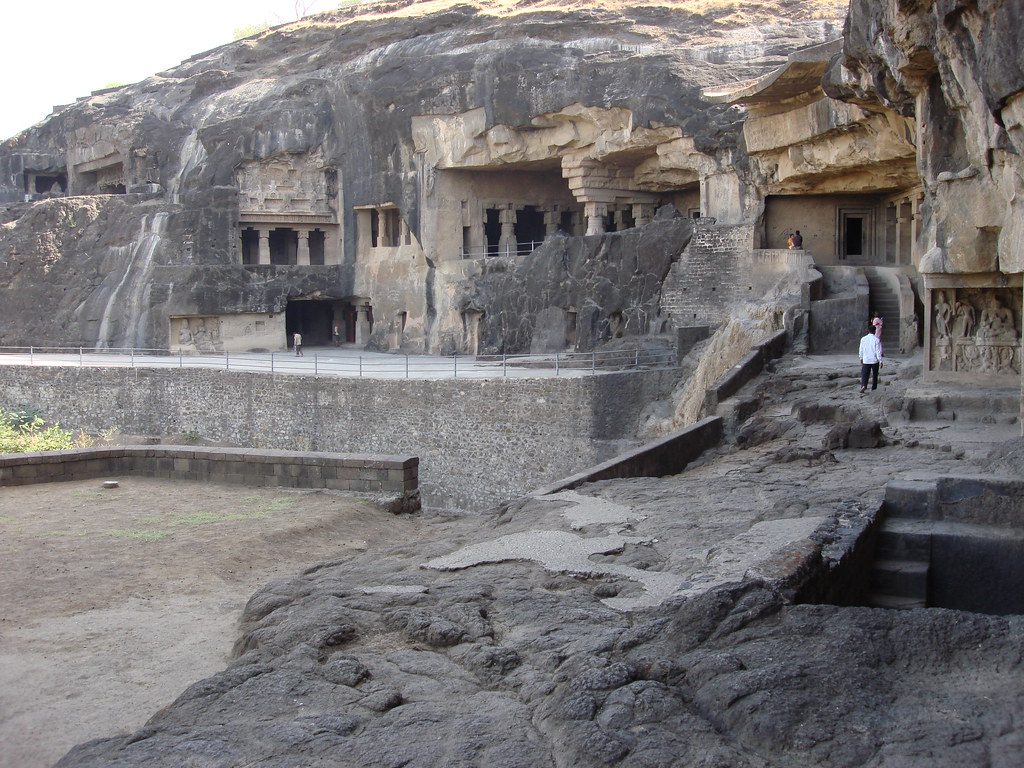
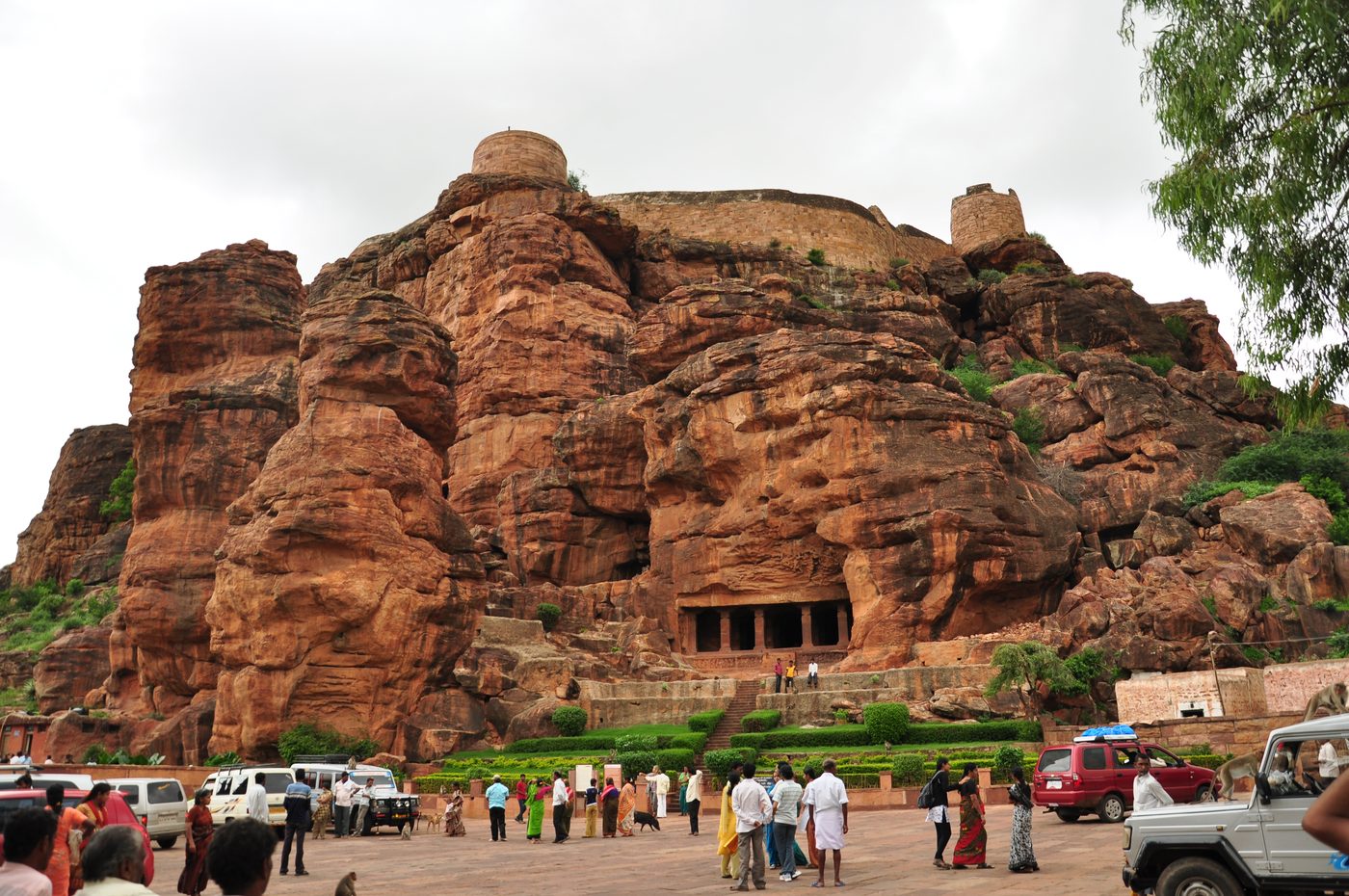
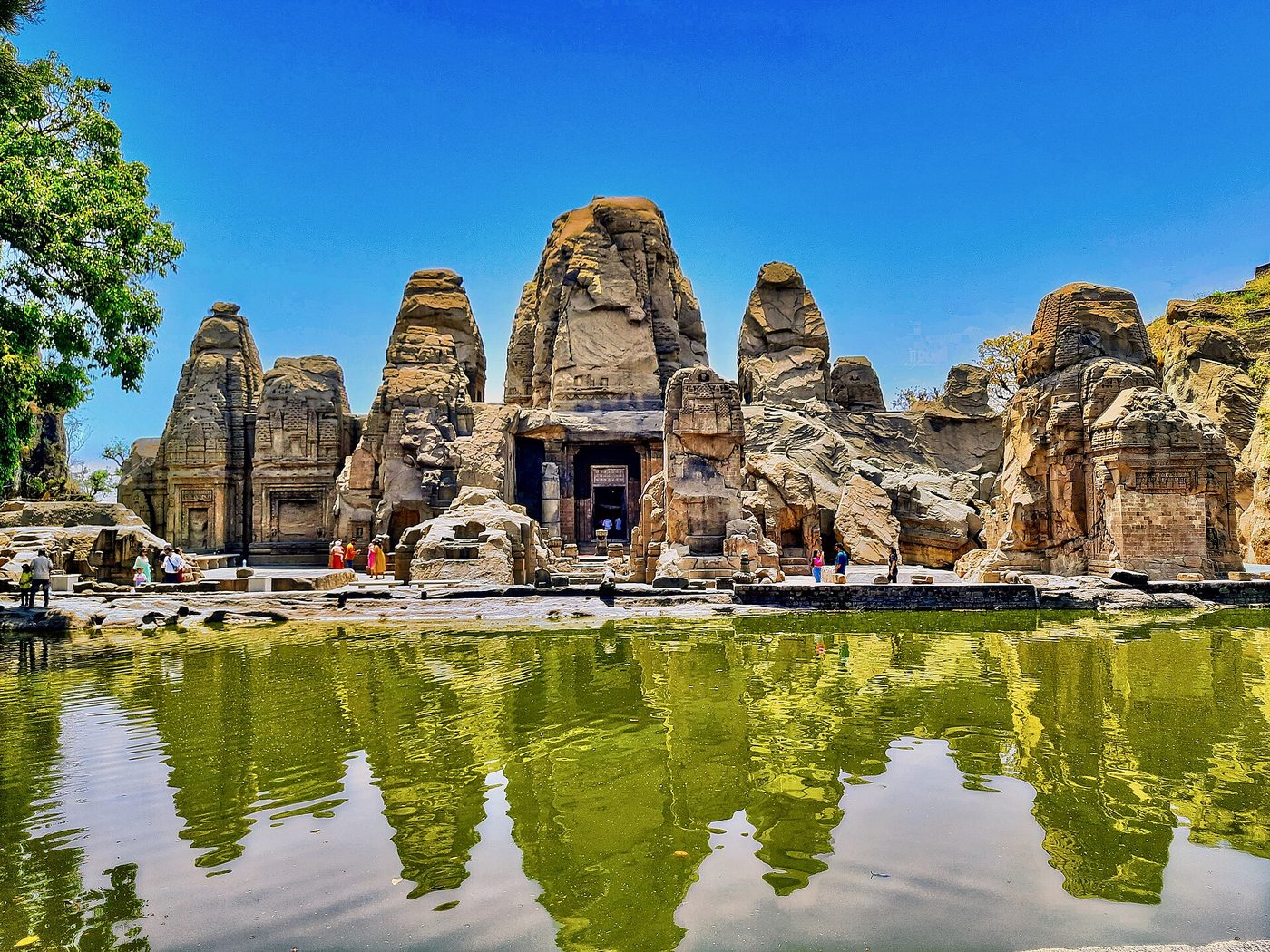
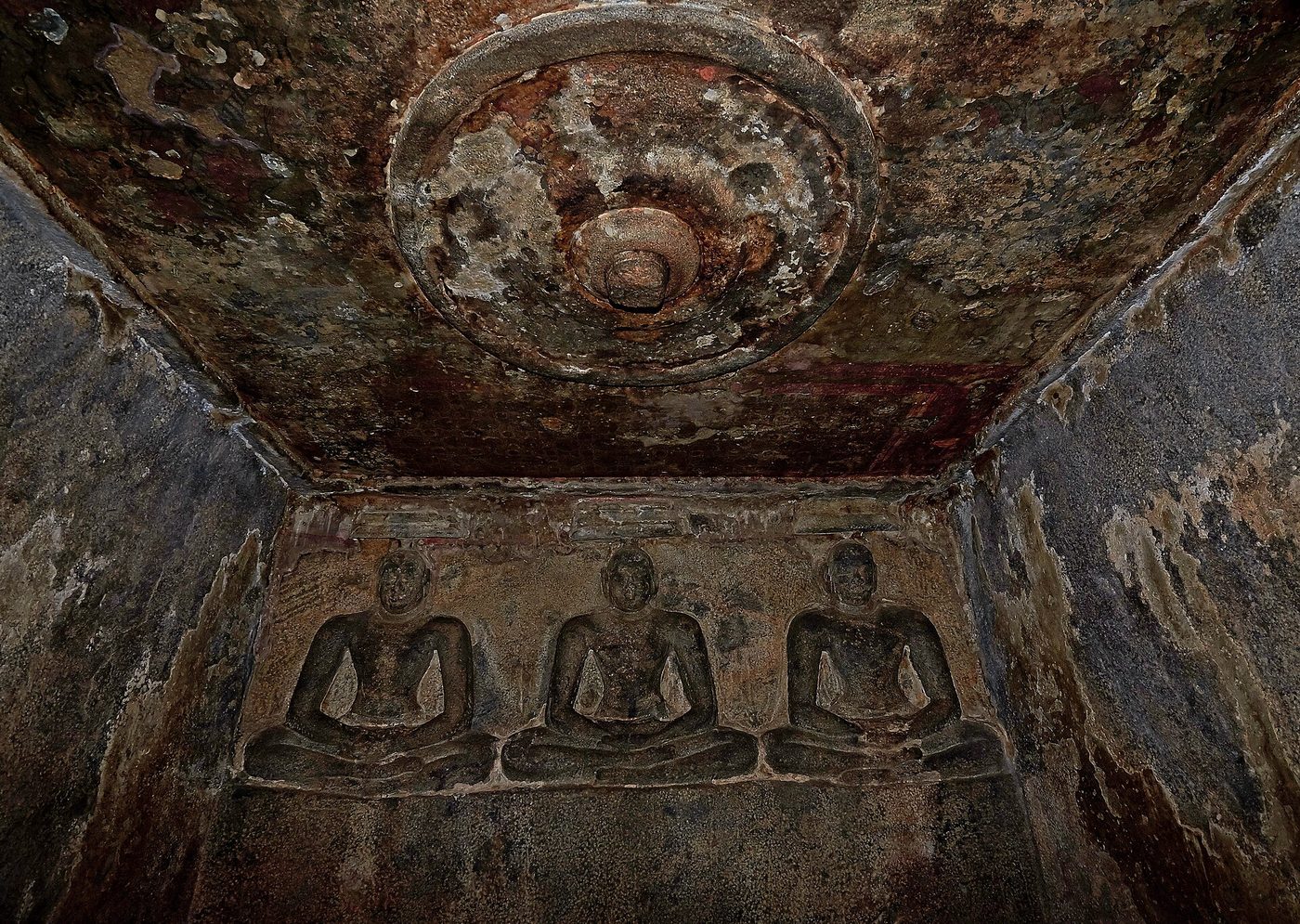
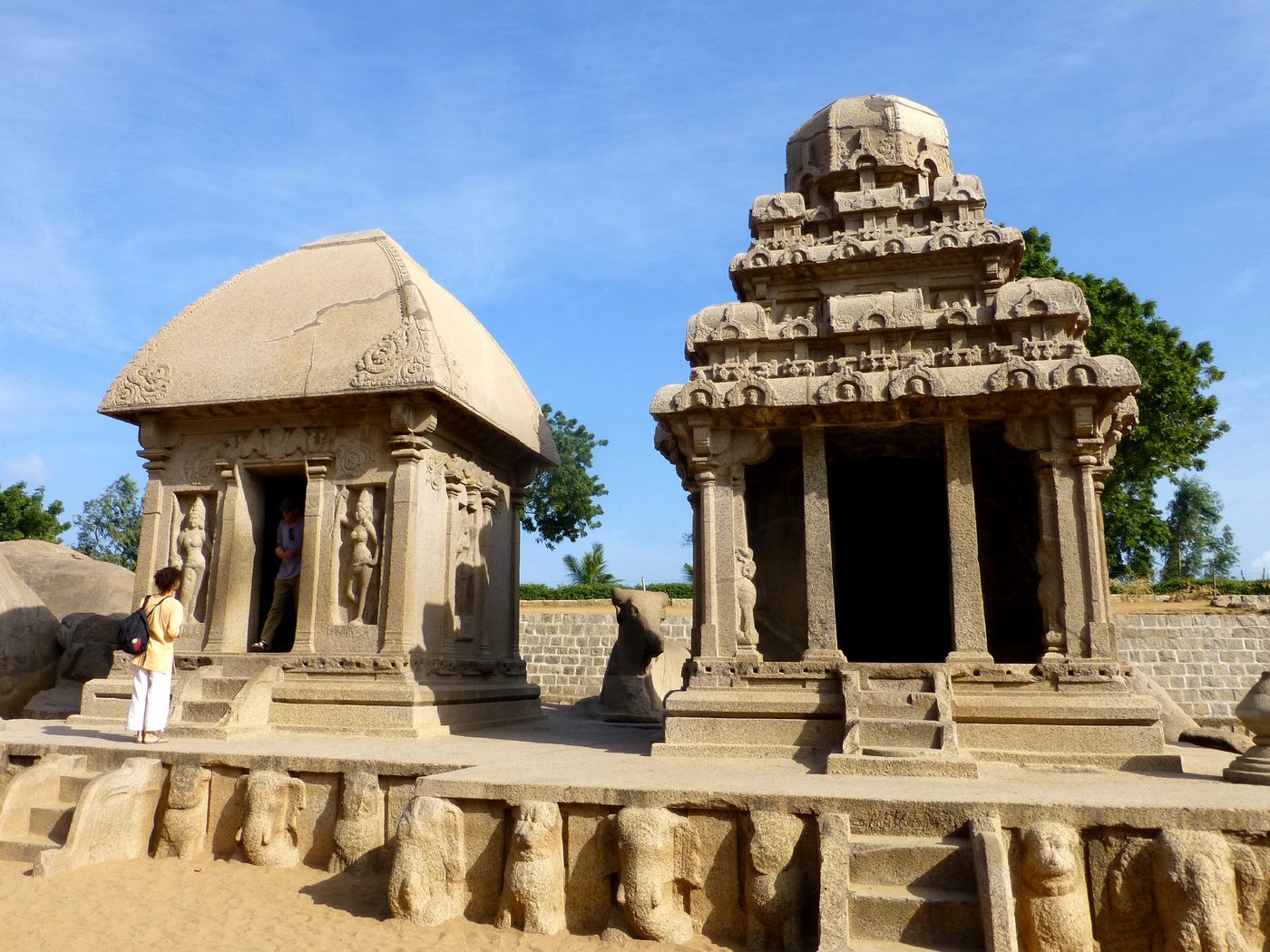
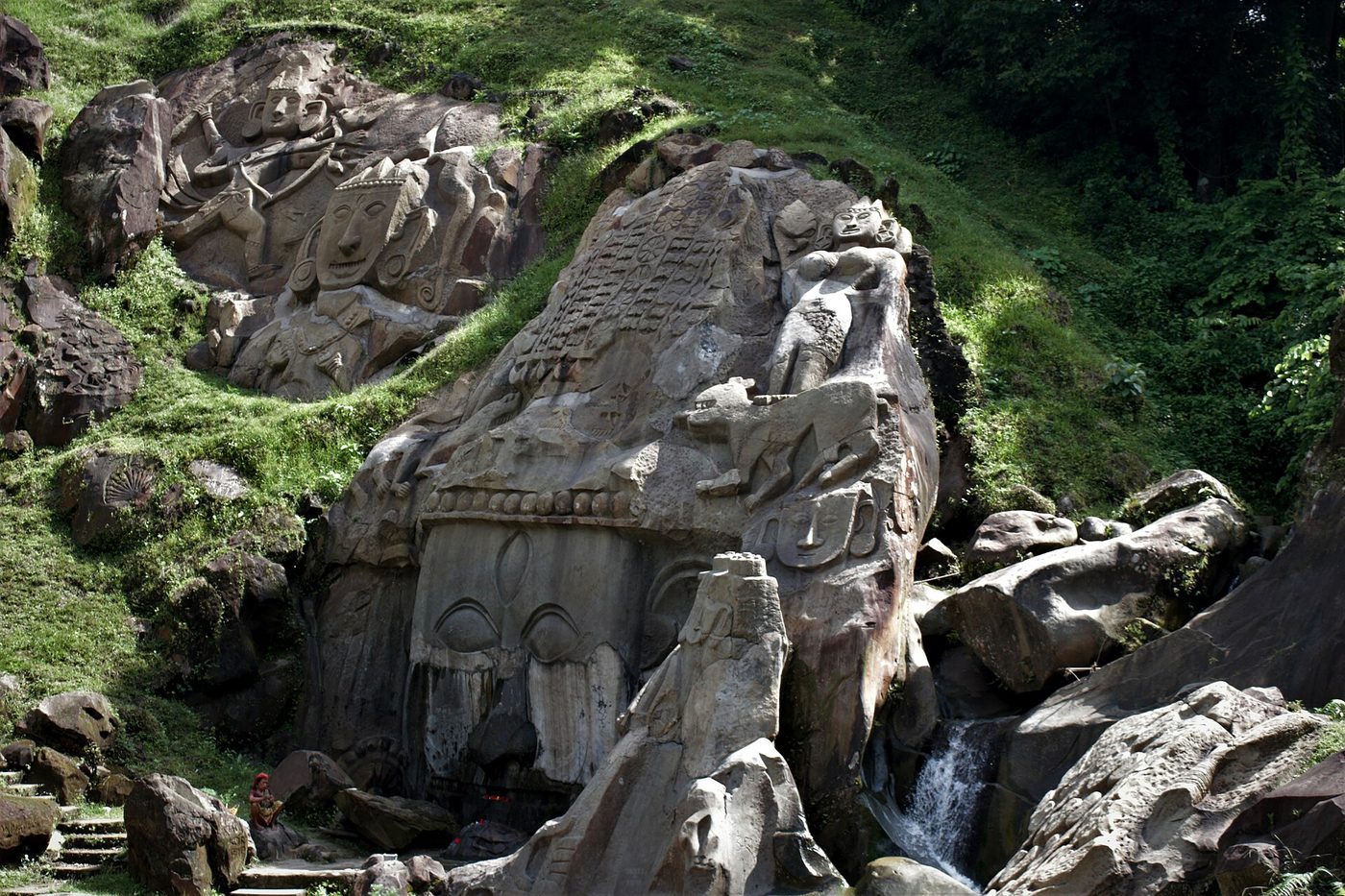
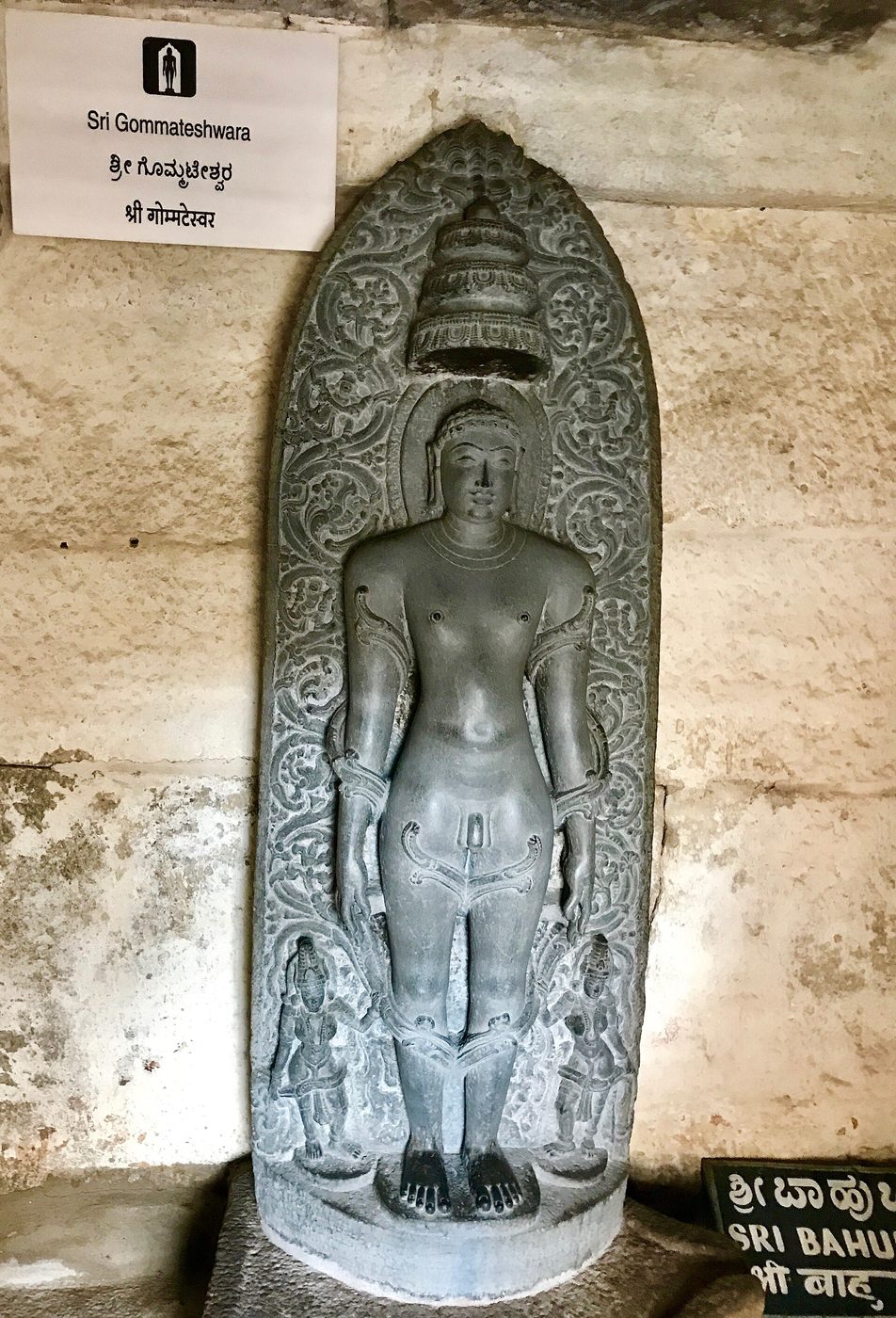
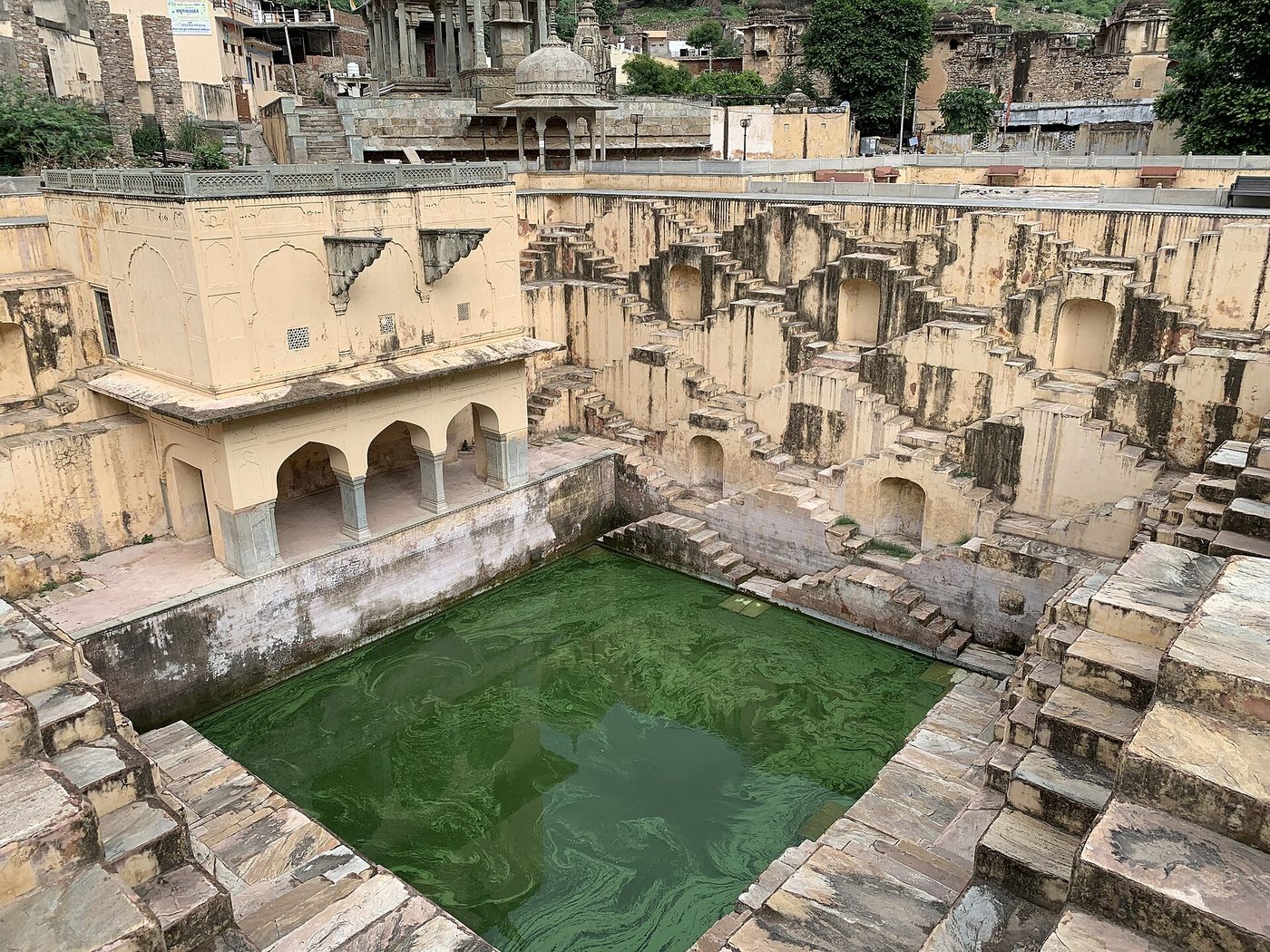
The thirty places in this booklet were made the other way. They are architecture by subtraction — the building is what remains after the rock around it has been taken away. At Ellora, workers began at the top of a basalt cliff and carved downward for roughly a century, removing an estimated 400,000 tons of stone to reveal a temple that was always inside it. At Masrur in Himachal, someone attempted the same feat on a Himalayan ridge and stopped partway, leaving whole shrines blocked out but never freed.
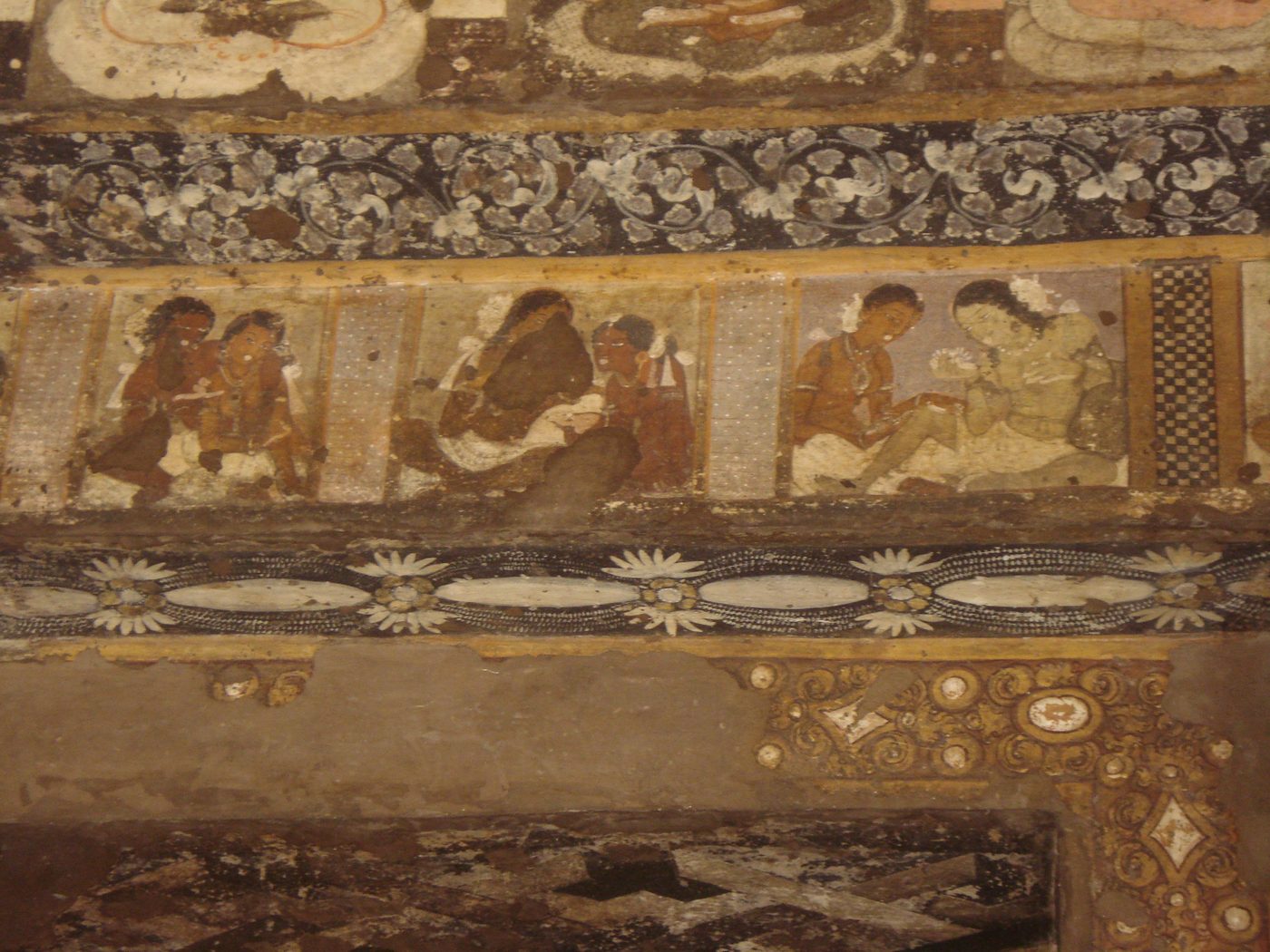
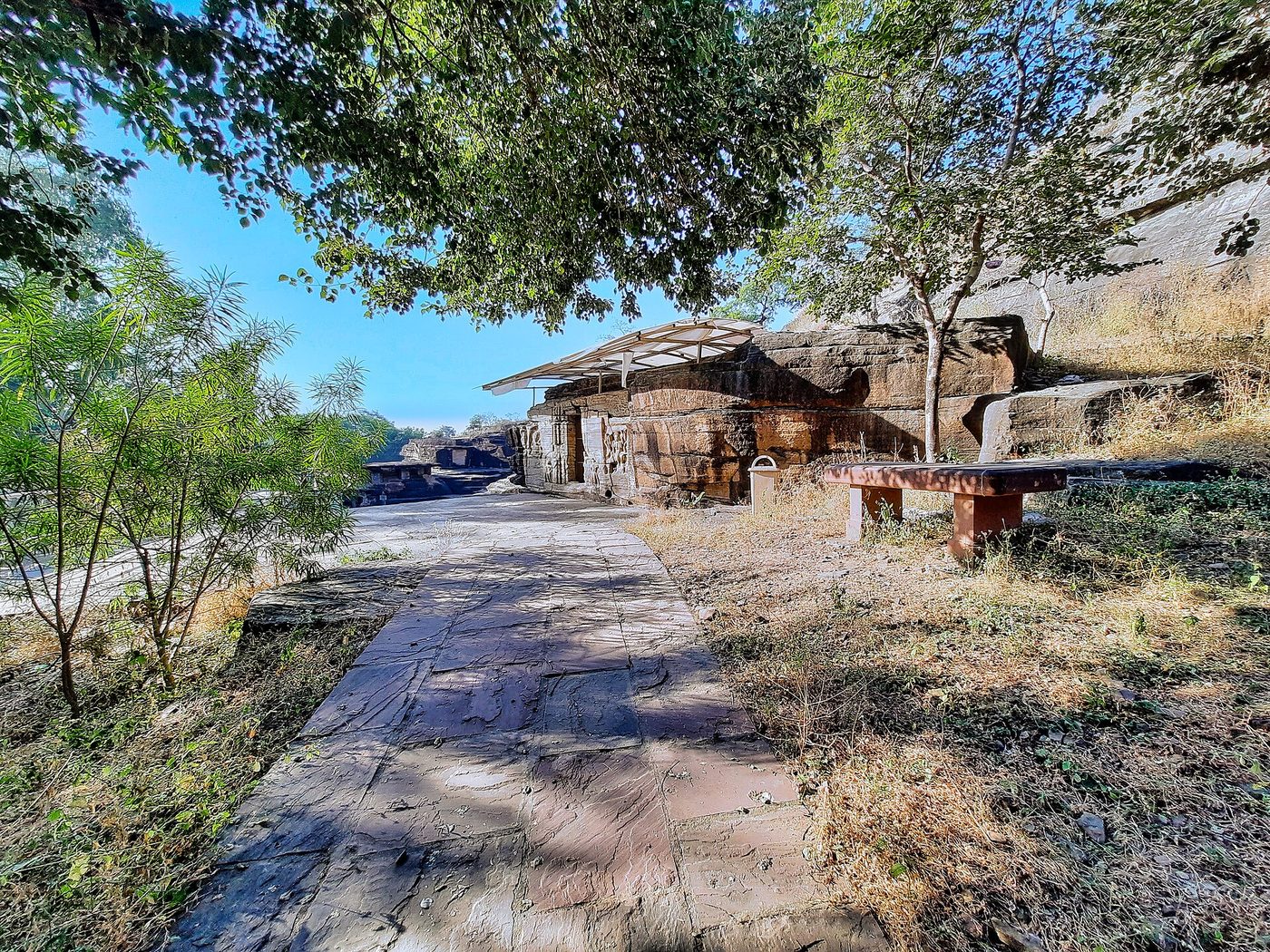
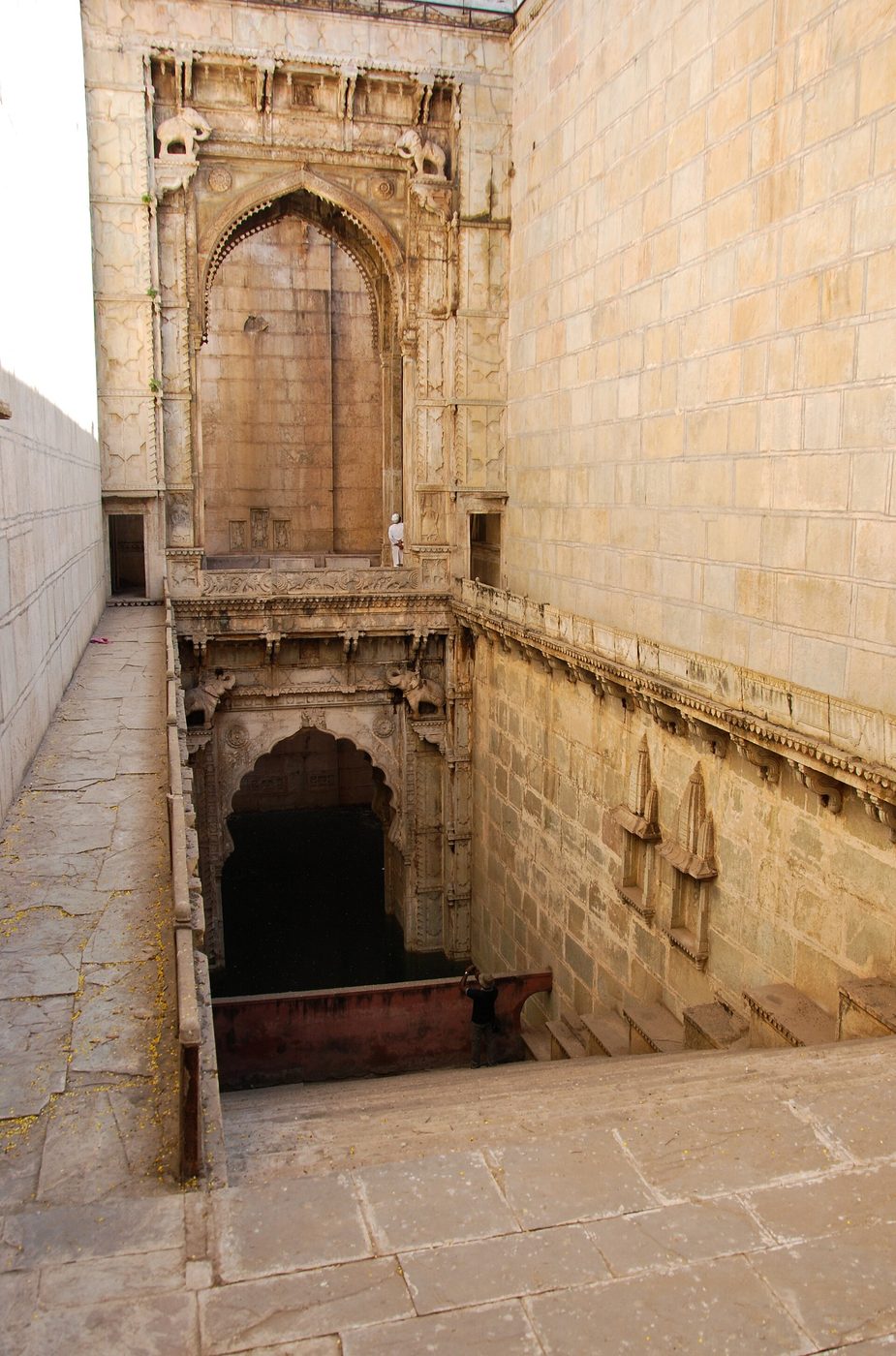
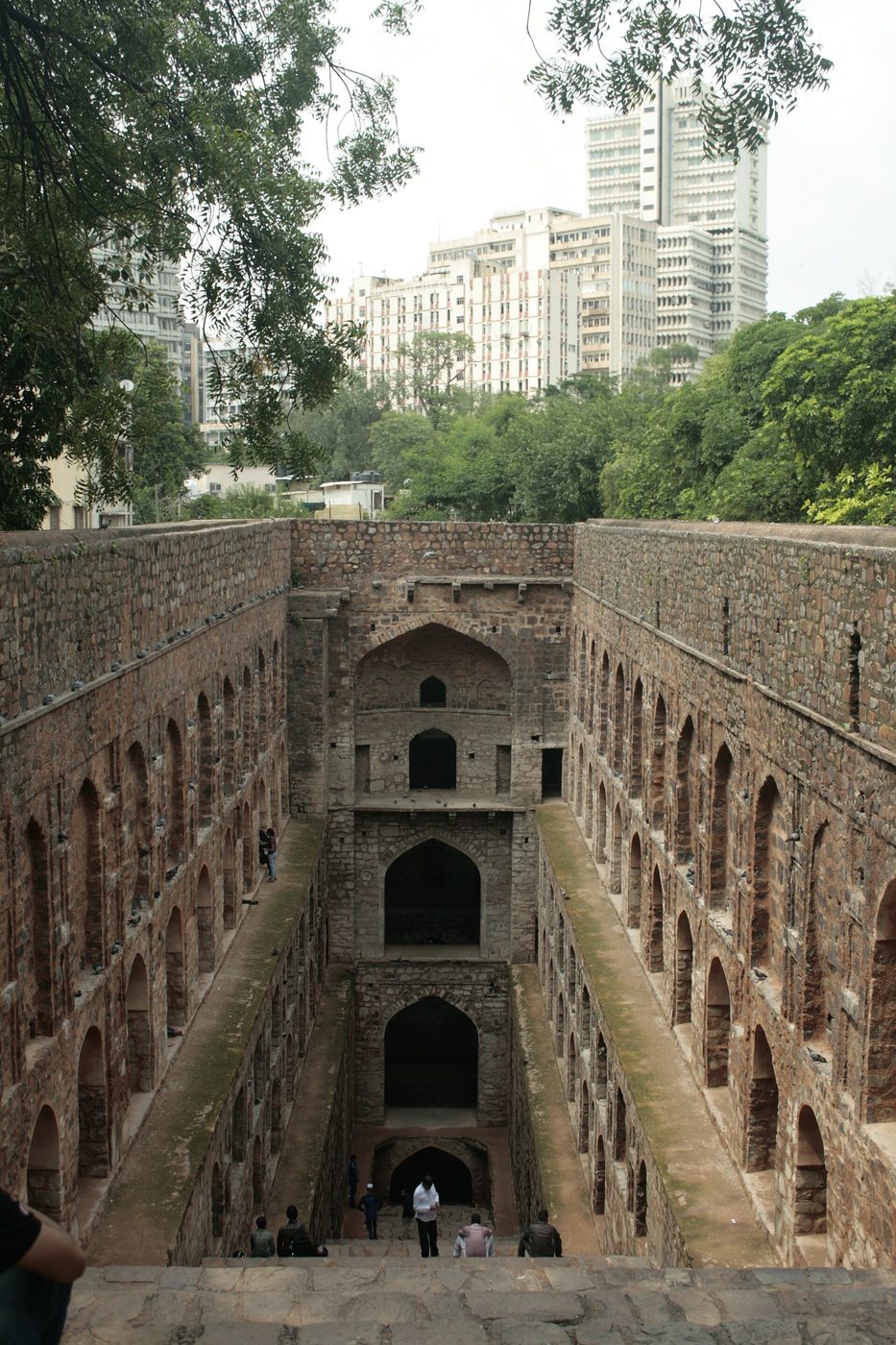
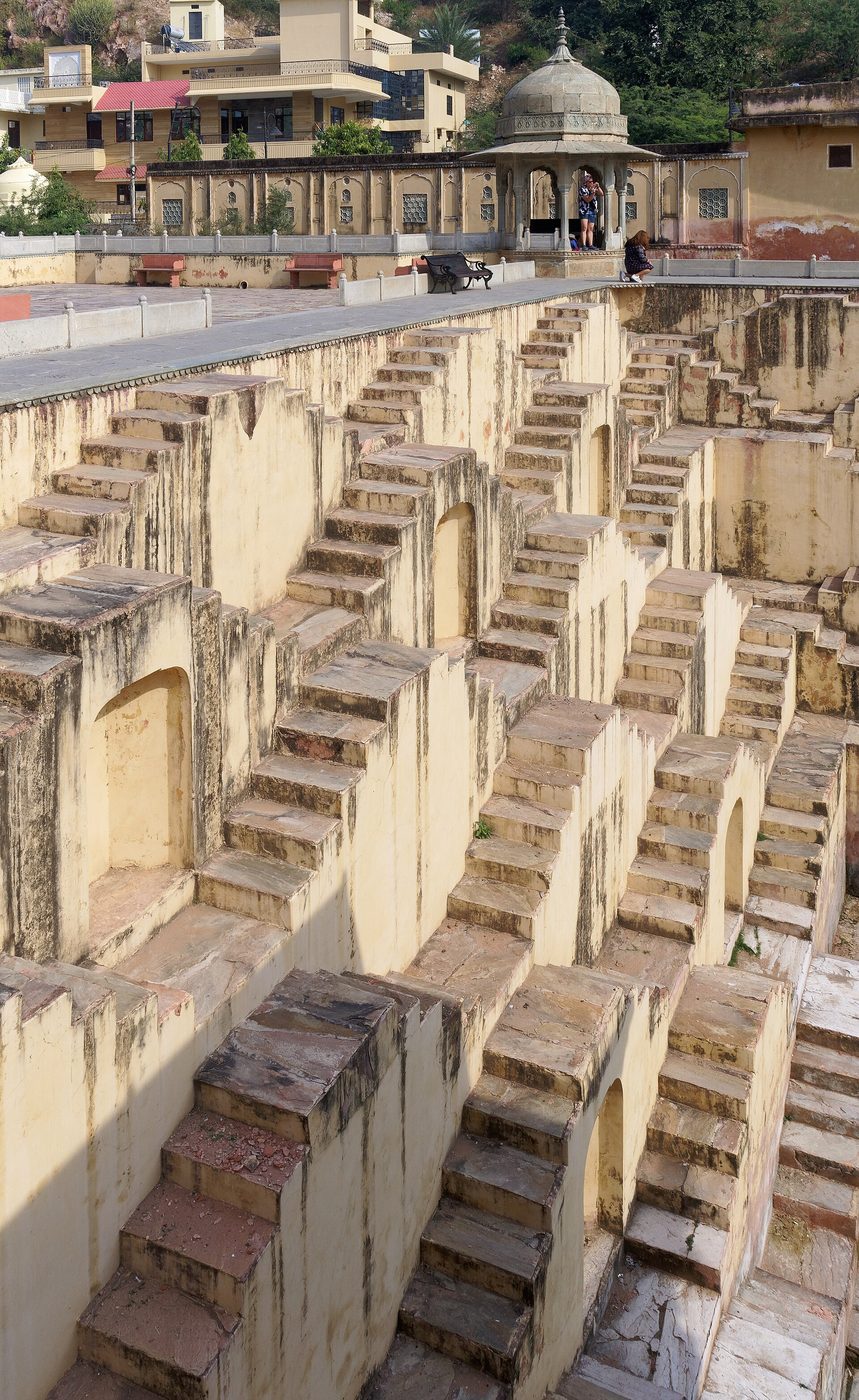
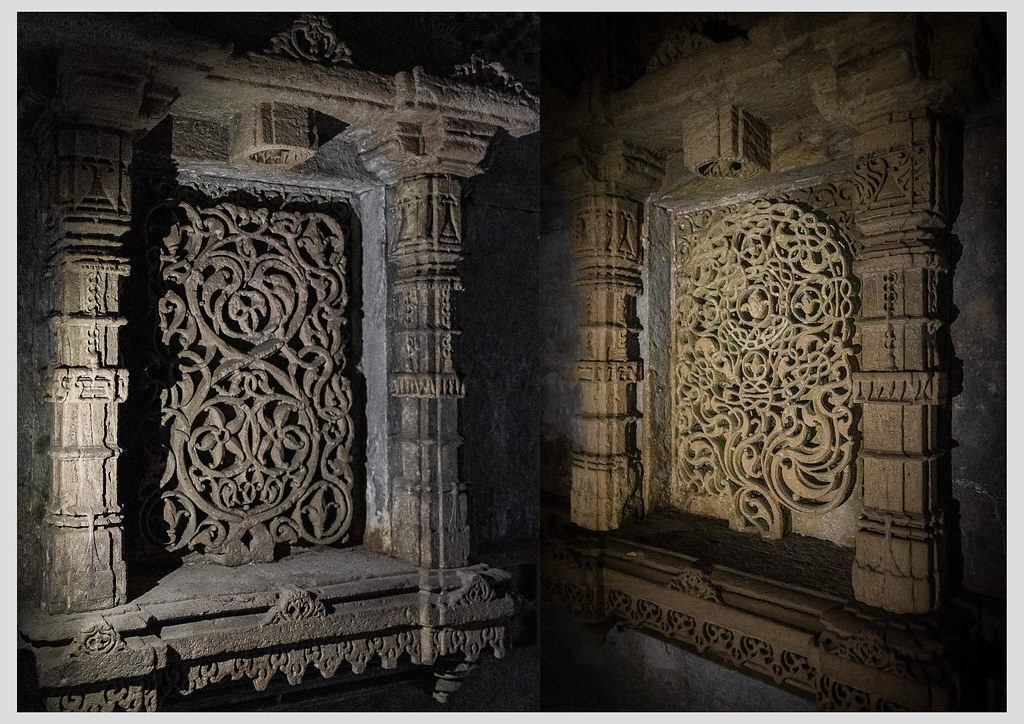
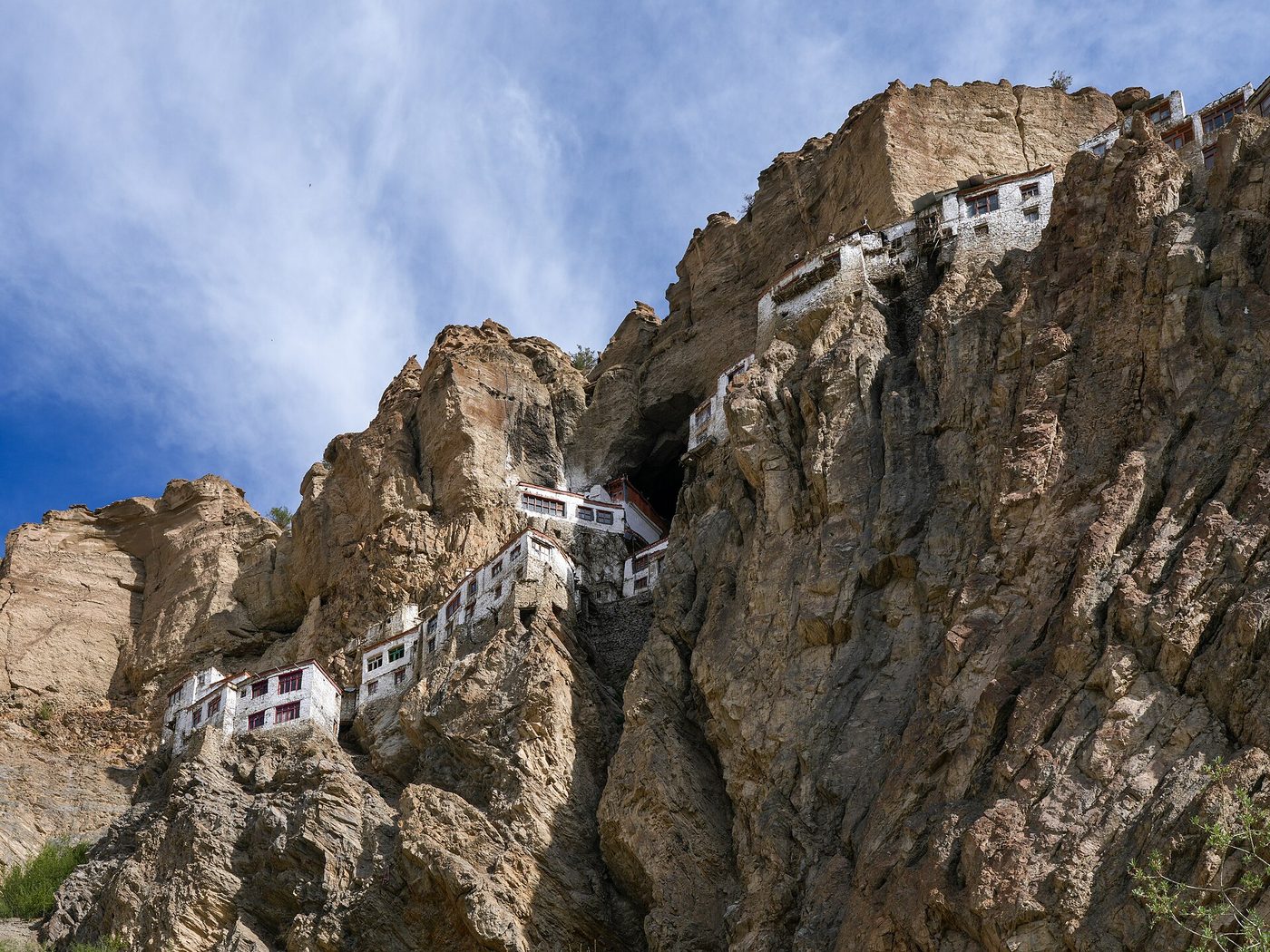
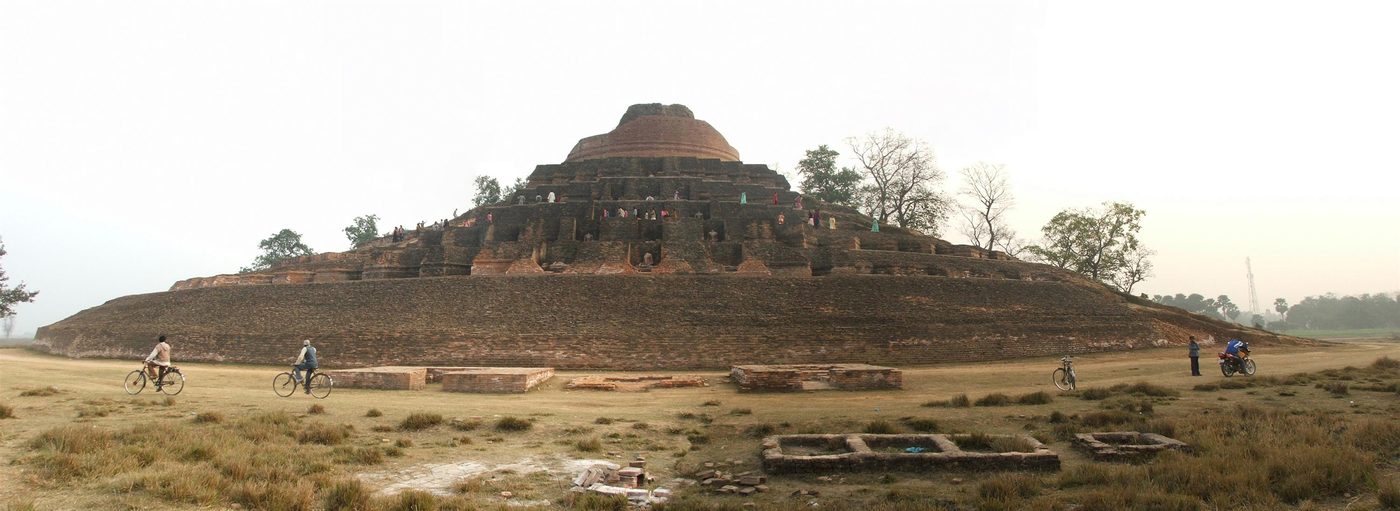
Subtraction is unforgiving. There is no second attempt: cut too deep and the shrine is gone. That single constraint connects a Jain fresco in Tamil Nadu to a queen's stepwell in Gujarat to a monastery hanging off a Zanskar cliff. It is also why so many of these places are hard to find. Architecture that goes down does not announce itself on a skyline. Kesariya in Bihar is among the tallest Buddhist stupas on earth and was walked past for centuries by people who assumed it was a hill.
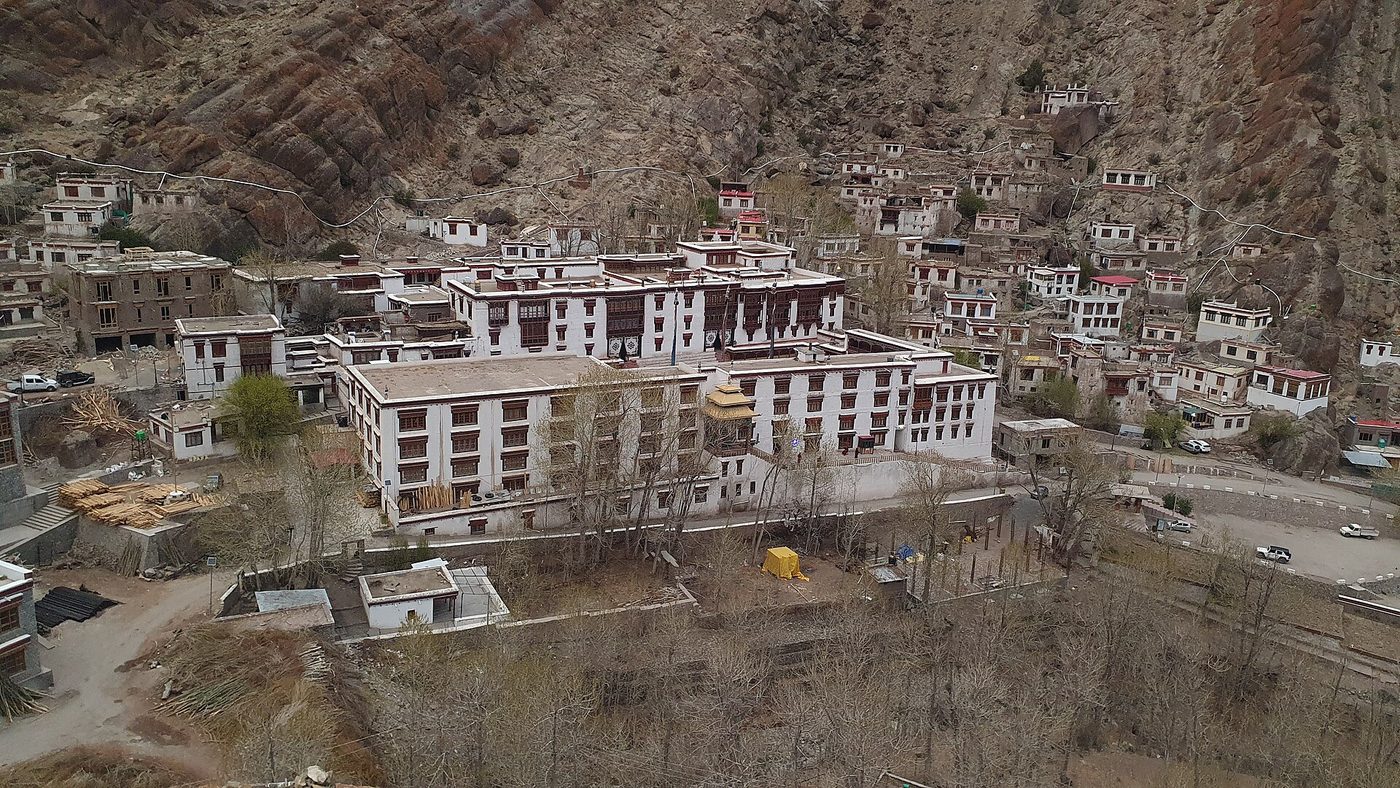
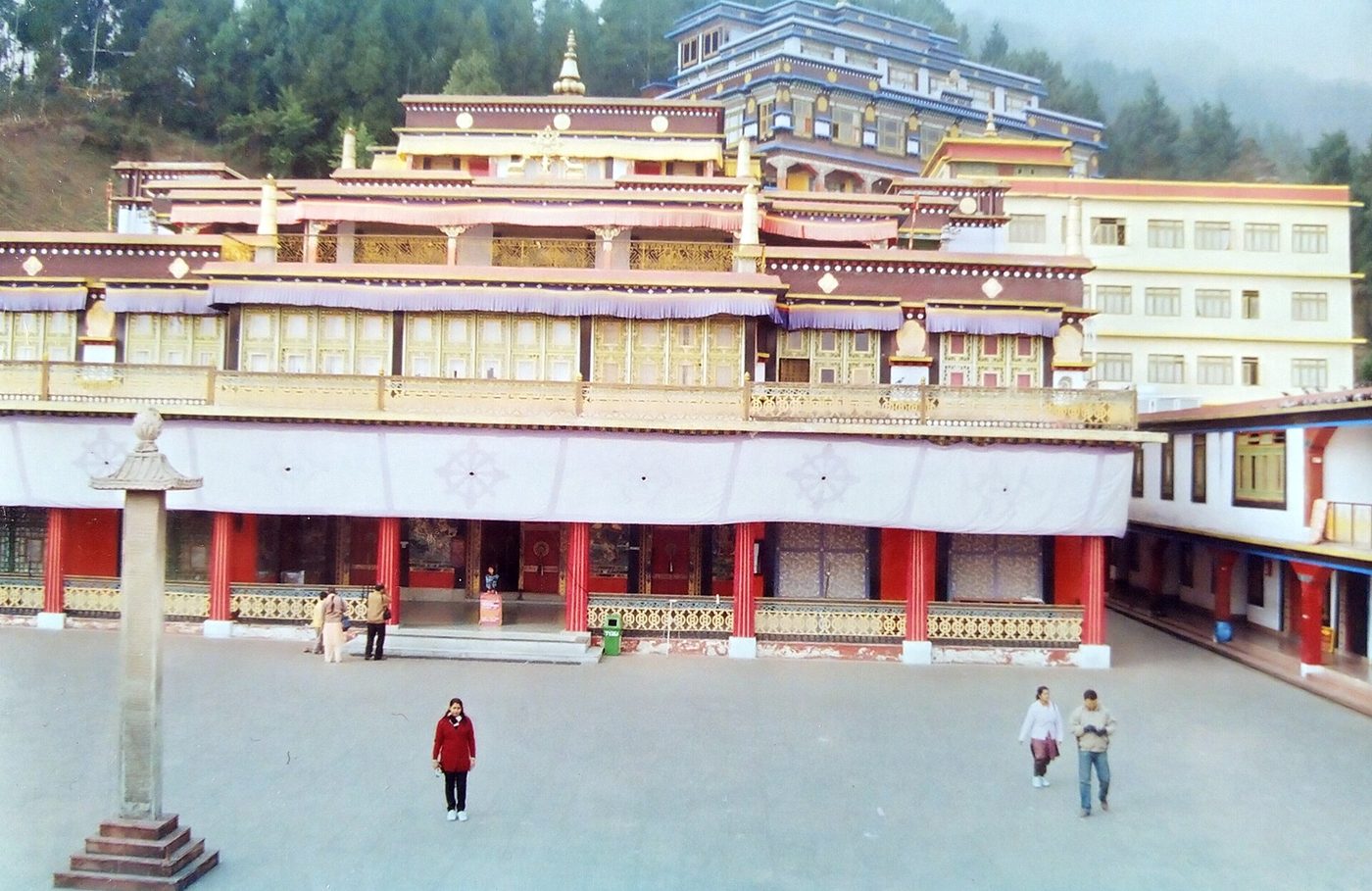
Each entry carries the figure that matters most about it — how far down, how far up, how much stone removed — where that measurement is recorded. Sites are grouped by what they have in common, not by geography, so a Ladakhi monastery sits beside a Sikkimese one rather than beside a Rajasthani stepwell three hundred kilometres closer.